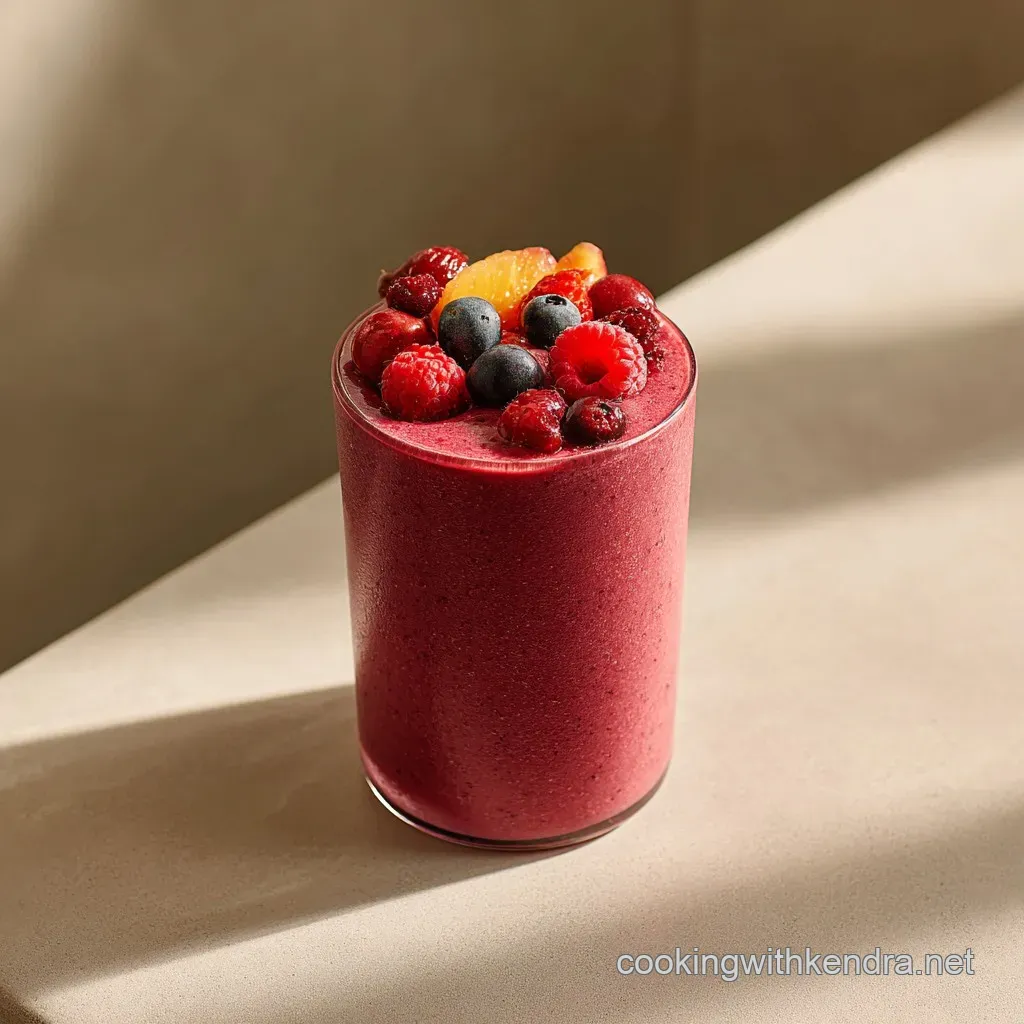
Imagine waking up to a vibrant, naturally sweet, and incredibly satisfying breakfast that's ready in minutes, packed with nutrition, and boasts a luxuriously creamy texture. For many, the dream of a consistently perfect frozen fruit smoothie often devolves into a slushy, watery disappointment or a battle with stubborn, unblended chunks. If you’ve found yourself dreading the cleanup more than enjoying the drink, you're not alone. But what if we told you the secret to unlocking flawlessly creamy, thick, and flavorful smoothies, every single time, is not about a fancy new blender, but rather a simple shift in technique and understanding your ingredients?
This article will guide you through the ultimate transformation of your smoothie game, moving past the guesswork to a foolproof method that guarantees a delicious, milkshake-like consistency without the need for diluting ice. Prepare to banish watery smoothies from your mornings forever and welcome a new era of effortless, nutrient-packed perfection.
The Quest for the Perfect Frozen Fruit Smoothie: Ditching the Dilution
The journey to smoothie nirvana often begins with good intentions but ends with a frustratingly thin concoction that tastes more like flavored water than a substantial meal. The primary culprit? Too much liquid and, more commonly, the reliance on ice. While ice may seem like a quick way to chill your smoothie, it inevitably melts, diluting the vibrant flavors and compromising that desired creamy mouthfeel. This is where the magic of frozen fruit truly shines. By using mostly or even all frozen fruit, you achieve that essential chill and thick body without introducing extra water that will only thin out your creation.
Many people fall into the trap of simply tossing all ingredients into the blender haphazardly. This approach often leads to uneven blending, requiring constant stops to push ingredients down, and ultimately, a less-than-ideal texture. The quest for a truly sublime, quick thick and flavorful frozen fruit smoothie, without relying on ice, hinges on a deeper understanding of how ingredients interact within the blender jar. It’s about building momentum, creating a powerful vortex that pulls every last piece into a velvety smooth finish.
The Game-Changer: Intentional Layering for Unbeatable Creaminess
This is arguably the single most impactful discovery in the world of home blending. The secret to a consistently thick, gloriously vibrant, and incredibly satisfying frozen fruit smoothie lies not just in *what* you put in, but crucially, *how* you put it in. This simple, intentional layering technique creates a powerful vortex in your blender, ensuring every ingredient is pulverized into velvety smooth perfection.
Here’s the game-changing sequence:
- Liquid First: Always start with your chosen liquid base at the bottom of the blender. This provides the necessary lubrication for the blades to move freely and start the blending process without strain.
- Soft/Fresh Ingredients Next: Add any fresh fruits (like a ripe banana), leafy greens (spinach, kale), or other soft ingredients (yogurt, nut butter) on top of the liquid. These softer items will be easily broken down, creating a creamy foundation for the harder, frozen elements.
- Frozen Fruit Last: Pile your frozen fruits on top. Because the liquid and softer ingredients are already beneath them, the blades can quickly grab and pull the frozen chunks down into the developing vortex, ensuring even processing.
This method prevents the blades from getting stuck on solid frozen blocks and eliminates the frustrating stop-start blending process. It allows your blender to work efficiently, transforming ingredients into that sought-after milkshake-like consistency without unblended chunks or a watery finish. For a deeper dive into this vital technique, explore our guide on how to Master Frozen Fruit Smoothies: Layering for Perfect Texture.
Crafting Your Dream Frozen Fruit Smoothie: Key Ingredients & Ratios
While layering is crucial, the quality and combination of your ingredients are what bring flavor and nutrition to your frozen fruit smoothie. Let's break down the essential components:
Frozen Fruit is King
For that perfect thick consistency, using mostly or all frozen fruit is absolutely crucial. The colder, harder texture of frozen fruit eliminates the need for ice, concentrating flavor and contributing significantly to the smoothie's body. Don't be afraid to mix and match! Popular choices include:
- Berries (strawberries, blueberries, raspberries, mixed berries): Offer a tart-sweet profile and are packed with antioxidants.
- Tropical Fruits (mango, pineapple, peaches): Bring incredible sweetness and a smooth, rich texture. Frozen mango and pineapple are particularly convenient as they negate the need for peeling and chopping.
- Bananas (frozen): While a fresh banana is great (discussed below), a pre-frozen banana is a superfood for smoothie texture, adding significant thickness and natural sweetness.
Buying frozen fruit in bulk when on offer and portioning it into freezer bags or containers can save you time and money, making daily smoothie prep a breeze.
The Fresh Banana Advantage
While optional, a fresh, ripe banana adds an unparalleled creamy texture and natural sweetness that helps bind the smoothie together, especially when you're using a lot of frozen ingredients. It truly makes a difference in the mouthfeel, providing a velvety base that elevates the entire experience. If you’re not a fan of banana flavor, a small amount won’t be overpowering but will still contribute to texture.
Choosing Your Liquid Base Wisely
The type and amount of liquid you choose significantly impact the final texture and flavor of your frozen fruit smoothie. Start with a recommended amount (usually 1/2 to 1 cup for a single serving) and adjust for your desired thickness.
- Dairy Milk (cow's milk): Offers a rich, classic creamy texture and a neutral flavor that complements most fruits.
- Plant-Based Milks (almond, soy, oat, cashew, coconut milk beverage): Provide varying lighter, often nuttier flavors. Each offers a slightly different creaminess profile; oat and cashew milk tend to be thicker, while almond milk is lighter.
- Water or Coconut Water: For a super refreshing and lighter option that allows the fruit flavors to shine. Coconut water also adds natural electrolytes.
- Orange Juice: Can add a delightful tangy sweetness and extra vitamin C, especially good with berries or tropical fruits.
Experiment to find your ideal base – it's a personal preference that can greatly enhance your smoothie experience.
Optional Boosters for Nutrition and Flavor
Take your smoothie to the next level with these additions:
- Yogurt (plain or vanilla): Adds a probiotic boost, extra protein, and incredible creaminess. Greek yogurt will make it even thicker.
- Sweeteners (honey, maple syrup, dates): If your fruit isn't sweet enough, these natural options can balance the flavors.
- Healthy Fats (nut butter, avocado, chia seeds, flax seeds): Enhance satiety, add healthy fats, and contribute to creaminess (avocado) or thickness (chia/flax seeds which absorb liquid).
- Fresh Herbs/Spices (mint, ginger, cinnamon): Introduce surprising layers of flavor and added health benefits.
- Citrus Zest or Juice (lime, lemon): A splash of lime or lemon juice can brighten flavors and add a refreshing zing, cutting through the sweetness of certain fruits.
Beyond the Basics: Advanced Tips for Your Best Smoothies Yet
Batch Prepping for Ultimate Convenience
Streamline your morning routine by pre-portioning your frozen fruit and other dry ingredients (like seeds or protein powder) into individual freezer bags. When you're ready for a smoothie, simply dump the bag's contents into the blender, add your liquid and fresh banana, and blend. This cuts prep time to almost nothing, making healthy eating truly effortless.
Blender Power & Patience
While the layering technique can make even less powerful blenders perform better, a high-speed blender will undoubtedly yield the smoothest results faster. However, even with a less powerful machine, patience is key. Start on a low setting to break down ingredients, then gradually increase speed. Use the tamper if your blender has one, to gently push ingredients towards the blades without stopping the machine.
Troubleshooting Common Smoothie Issues
- Too Thick? Add more liquid, one tablespoon at a time, until desired consistency is reached.
- Too Thin? Add more frozen fruit or a tablespoon of chia seeds or rolled oats, let sit for a minute, then re-blend.
- Still Chunky? Ensure you've followed the layering technique, increase blending time, and consider adding a little more liquid to help create the vortex.
Mastering the art of the frozen fruit smoothie means transforming your daily ritual from a potential frustration into a guaranteed delight. By embracing intentional layering, understanding your ingredients, and experimenting with flavor combinations, you're not just making a drink – you're crafting a nutritious, satisfying experience that fuels your body and tantalizes your taste buds. Say goodbye to watery, uninspired smoothies and hello to a world of velvety smooth, flavor-packed perfection, ready in minutes. Your mornings (and your blender) will thank you!
